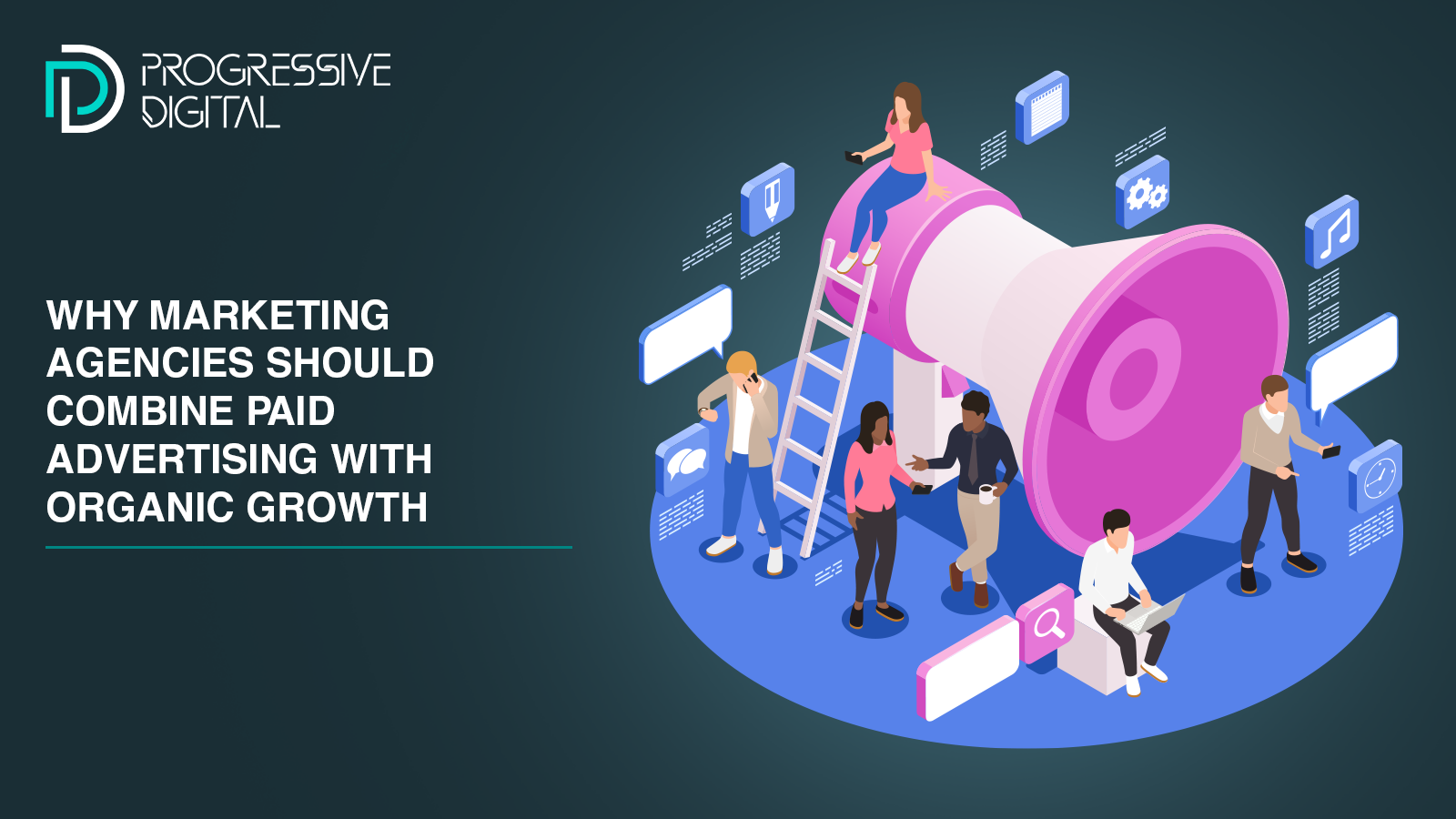
In today’s rapidly evolving digital landscape, marketing agencies face increasing pressure to deliver measurable results for their clients. Brands are no longer satisfied with vague metrics or slow, uncertain returns. They demand strategies that not only generate visibility but also foster engagement, build authority, and drive tangible conversions. In this environment, relying exclusively on either paid advertising or organic growth can limit a campaign’s potential. Instead, the most effective agencies are those that strategically integrate both approaches, creating a synergistic ecosystem that maximizes reach, ROI, and long-term brand equity.
Understanding Paid Advertising
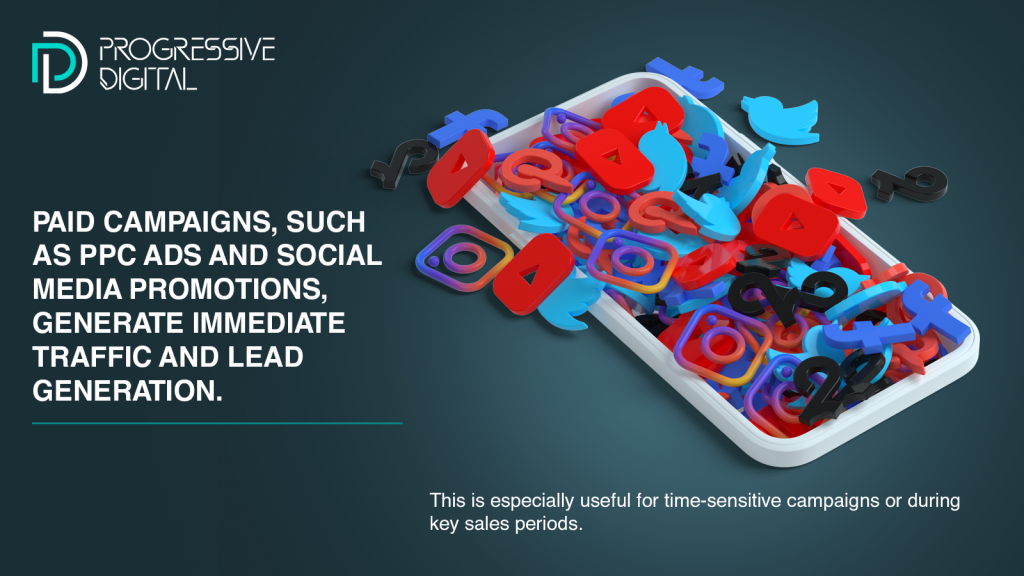
Paid advertising, often referred to as pay-per-click (PPC) marketing, encompasses all forms of digital advertising where brands pay for placement. This includes Google Ads, Facebook Ads, LinkedIn Sponsored Content, display ads, and other platforms where businesses can target specific audiences based on demographics, interests, and behavior. The primary advantage of paid advertising is immediacy. Unlike organic channels, which require time to build authority and visibility, paid campaigns can generate traffic and leads within hours of launch. This makes paid advertising ideal for time-sensitive campaigns, product launches, or promotions that need immediate visibility.
Another benefit of paid advertising is precise targeting. Advanced algorithms allow marketers to hone in on potential customers based on factors like location, age, online behavior, device usage, and even purchasing intent. Retargeting campaigns, for instance, can re-engage users who previously interacted with a brand but did not convert, thereby increasing the likelihood of completing a sale. Paid advertising also provides extensive data analytics. Every click, impression, and conversion can be tracked and analyzed in real-time, allowing agencies to optimize campaigns on the fly and allocate budgets more effectively.
However, paid advertising is not without its limitations. Campaigns require ongoing investment, and once the budget is depleted, visibility typically disappears. Ads can also suffer from ad fatigue, where users become desensitized to repetitive messaging. Additionally, high competition can increase cost-per-click rates, especially in saturated industries. Therefore, while paid advertising offers speed and precision, it must be strategically paired with organic efforts to maximize long-term impact.
The Power of Organic Growth
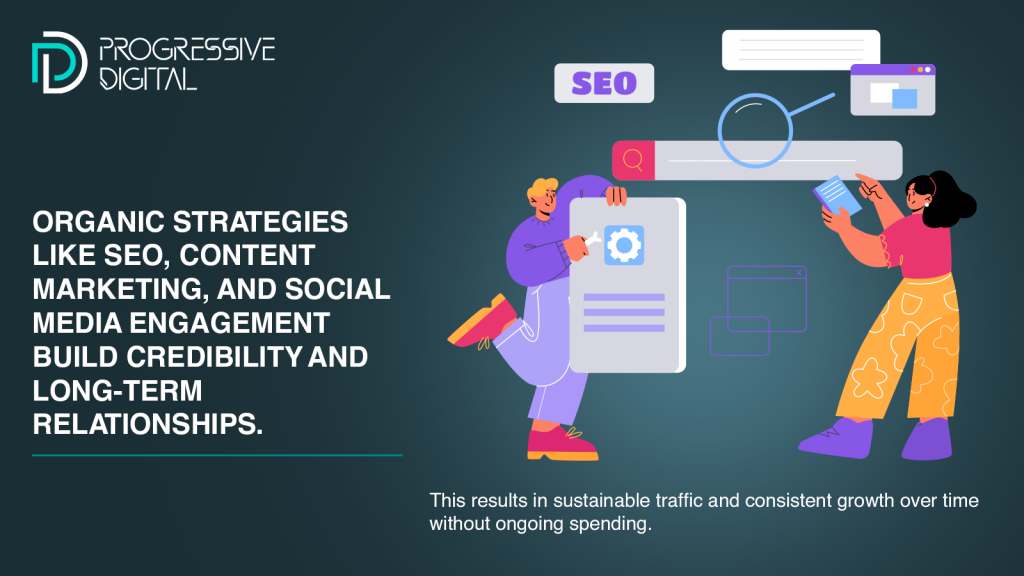
Organic growth, on the other hand, refers to the traffic, engagement, and leads generated through unpaid channels. This includes search engine optimization (SEO), content marketing, social media engagement, and email marketing. Organic strategies take longer to establish, as they rely on building authority, trust, and recognition over time. However, the long-term benefits are substantial. Organic traffic is highly sustainable, often delivering consistent results months or years after initial investment. Unlike paid campaigns, organic efforts continue to provide value without constant financial input.
SEO is a cornerstone of organic growth. By optimizing website content, structure, and backlinks, agencies help clients rank higher in search engine results for relevant keywords. Higher rankings drive consistent, high-intent traffic, which often converts more efficiently than paid traffic. Content marketing complements SEO by providing valuable resources—blogs, videos, white papers, guides—that educate, inform, or entertain potential customers. Well-crafted content positions a brand as an authority in its industry, fostering trust and long-term engagement. Social media also plays a key role, offering a platform to build community, encourage interaction, and amplify content reach.
Organic growth also provides a buffer against volatility. Search algorithms and platform policies change over time, but well-established organic presence allows brands to maintain visibility and authority, even amidst market fluctuations. While it may not produce immediate results, organic growth builds a foundation that supports all other marketing activities, including paid campaigns.
Why Integration Matters
The most successful marketing agencies recognize that paid advertising and organic growth are not mutually exclusive—they are complementary. By integrating both strategies, agencies can leverage the strengths of each while mitigating their weaknesses. Paid campaigns provide instant visibility, enabling agencies to drive traffic and test messaging, keywords, and creative concepts quickly. Insights gained from paid campaigns can inform organic strategies, such as identifying high-performing topics for content or optimizing website pages for SEO.
Conversely, organic growth enhances the effectiveness of paid campaigns. A website with strong SEO, high-quality content, and established credibility will often convert paid traffic more effectively than one without these elements. Social proof and organic engagement can increase click-through rates, reduce bounce rates, and improve overall campaign performance. For example, an ad promoting a blog post or downloadable resource will perform better if the content is well-optimized, authoritative, and easily accessible.
Additionally, integration allows agencies to manage budgets more efficiently. Paid campaigns can be strategically deployed to amplify high-performing organic content or target audiences who are unlikely to discover the brand through organic channels alone. Retargeting efforts can bridge the gap between initial engagement and conversion, while organic content nurtures leads over the long term. This dual approach ensures that clients achieve both short-term results and sustainable growth.
Case Studies and Real-World Examples
Consider a mid-sized e-commerce brand seeking to increase sales during a seasonal promotion. An agency might use paid search and social ads to drive immediate traffic to key product pages, ensuring visibility during peak shopping periods. Simultaneously, the agency could publish SEO-optimized blog posts, videos, and email newsletters to educate customers about product benefits, maintain engagement, and improve organic rankings. This combination allows the brand to capture both immediate conversions and long-term traffic, effectively leveraging the strengths of both paid and organic channels.
In another example, a B2B SaaS company might use LinkedIn Ads to generate leads quickly, targeting decision-makers with personalized messaging. Organic strategies, such as producing thought-leadership content and optimizing landing pages for search, enhance credibility and improve the likelihood of converting paid leads. Over time, the company sees sustained traffic from organic sources while using paid campaigns to accelerate lead generation during critical growth phases.
Measuring Success
Integrated campaigns also enable more comprehensive performance measurement. Agencies can track KPIs across paid and organic channels, gaining insights into which strategies drive the highest ROI. Metrics such as conversion rates, engagement rates, lifetime value, and cost per acquisition help determine the effectiveness of the combined approach. By continuously analyzing these metrics, agencies can optimize budgets, refine targeting, and enhance messaging to maximize results.
Furthermore, combining paid and organic efforts allows for experimentation and iteration. Agencies can test new ideas in paid campaigns, analyze performance, and then implement successful concepts into organic strategies. This iterative approach accelerates learning and ensures that both paid and organic initiatives are aligned with overarching marketing objectives.
For marketing agencies seeking to deliver maximum value to clients, the integration of paid advertising and organic growth is no longer optional—it is essential. Paid campaigns provide speed, precision, and measurable results, while organic strategies offer sustainability, credibility, and long-term growth. Together, they create a marketing ecosystem that leverages the strengths of both approaches, driving traffic, engagement, and conversions more effectively than either strategy alone.
By combining immediate impact with long-term authority, agencies can ensure that their clients not only achieve short-term goals but also build a foundation for ongoing success. Integrating paid and organic marketing allows for smarter budget allocation, better targeting, and enhanced campaign performance, making it a critical strategy in today’s competitive digital environment. Marketing agencies that master this integration are positioned to deliver measurable ROI, strengthen client relationships, and create lasting brand value.