


In the fast-paced world of digital marketing, standing out among the competition is becoming increasingly challenging. While getting a potential customer’s attention for the first time is important, it’s equally crucial to bring them back when they’ve shown initial interest but didn’t convert. That’s where retargeting ads come into play. Retargeting ads are a highly effective way to reach people who have already interacted with your brand but haven’t yet completed a desired action, such as making a purchase or filling out a contact form.
In this guide, we’ll explore what retargeting ads are, how they work, and why they are an essential tool in any marketer’s arsenal. We’ll also discuss best practices for implementing retargeting campaigns and how they can drive conversions, increase sales, and ultimately boost your return on investment (ROI).
What Are Retargeting Ads?
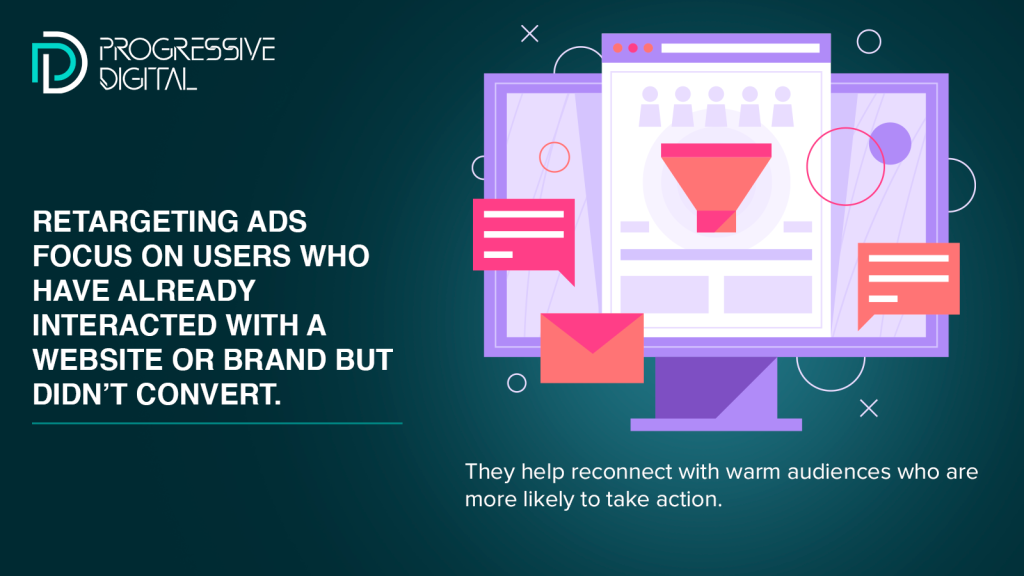
Retargeting ads, also known as remarketing ads, are a form of online advertising that targets individuals who have previously interacted with your website, app, or social media profiles but did not complete a specific action (like making a purchase). These ads are designed to re-engage those visitors and encourage them to return to your site and finish what they started.
The most common type of retargeting ads uses cookies — small pieces of data stored in a user’s browser — to track their online activity. When someone visits your website but doesn’t make a purchase or take another desired action, a retargeting pixel is placed on their device, which tracks their behavior and shows them relevant ads as they continue to browse other websites or social media platforms.
How Do Retargeting Ads Work?
Retargeting ads work by reminding potential customers of your brand and the products or services they’ve already shown interest in. The process can be broken down into several key steps:
- User Visits Your Website
When a user visits your website or landing page, their activity is tracked through cookies. This means that any actions they take — like viewing specific products, adding items to their cart, or browsing your services — are recorded. - Creating Custom Audiences
Using the data collected from their interactions on your website, you can segment your audience based on specific behaviors or actions. For example, you could create custom audiences for people who visited a product page but didn’t purchase or for users who abandoned their shopping cart. - Retargeting Ads Appear
Once a custom audience is created, you can begin showing retargeting ads to those individuals as they browse other websites, social media platforms, or search engines. These ads will be tailored to the specific products or services they interacted with, reminding them of what they were interested in. - Conversion and Remarketing
If a user clicks on one of your retargeting ads, they’re brought back to your website where you can encourage them to complete the purchase or action they previously abandoned. With effective ad copy and a clear call to action, your chances of converting those visitors into paying customers increases significantly.
Why Do Retargeting Ads Work?
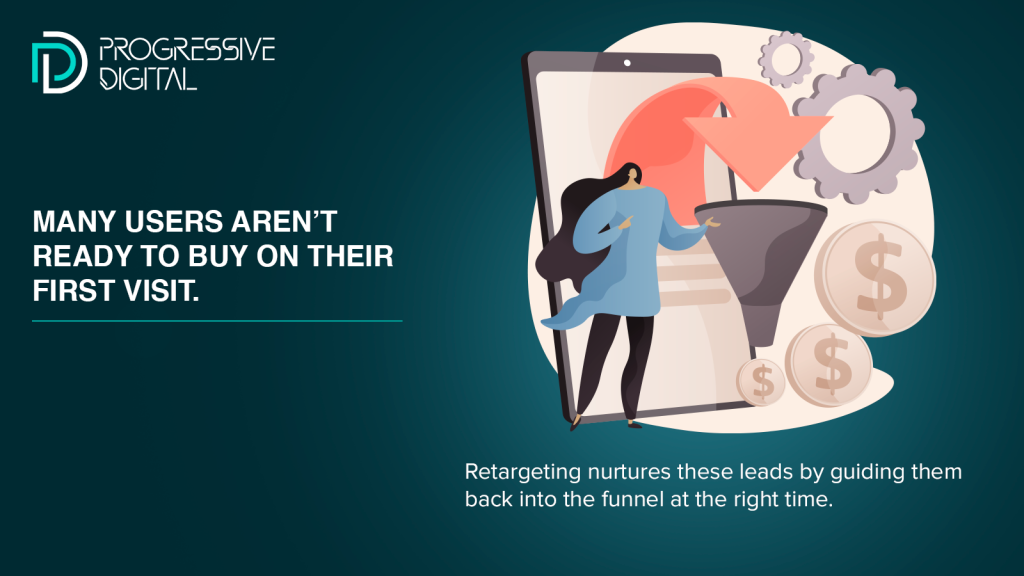
Retargeting ads are effective because they tap into a concept known as the “marketing funnel.” When a potential customer first visits your website, they may not be ready to make a purchase. However, retargeting allows you to stay in front of those prospects and remind them of your brand as they continue their online journey.
Here’s why retargeting works so well:
1. It Targets Interested Users
Retargeting ads are shown to people who have already shown an interest in your brand. Whether they browsed your website, added items to their cart, or signed up for your newsletter, these individuals have already interacted with your business and are much more likely to convert with the right encouragement.
2. It Keeps Your Brand Top of Mind
In a digital world where potential customers are bombarded with countless ads and messages every day, retargeting keeps your brand at the forefront of their minds. By showing them relevant ads after they leave your site, you increase the chances of them returning and completing their purchase.
3. It Reinforces Your Message
Retargeting ads allow you to reinforce your message by showcasing the exact products or services your visitors interacted with. This repetition can help solidify your brand’s value proposition and remind users why they were interested in the first place.
4. It’s Cost-Effective
Because retargeting ads are shown to users who have already expressed an interest in your brand, they tend to have a much higher click-through rate (CTR) and conversion rate compared to standard display ads. This makes retargeting ads one of the most cost-effective strategies to increase your return on investment.
5. It Nurtures Leads
Retargeting helps you nurture leads who are still in the decision-making process. It allows you to offer additional information, highlight special offers or promotions, and provide incentives (such as free shipping or a discount) to encourage conversions.
Best Practices for Retargeting Ads
To maximize the effectiveness of your retargeting campaigns, here are some best practices to consider:
1. Segment Your Audience
Not all visitors are the same. It’s important to segment your audience based on their behavior on your website. For example, visitors who abandoned their shopping cart may need a different ad than those who only browsed a product page. By creating tailored messages for each segment, you can increase engagement and conversions.
2. Use Dynamic Retargeting Ads
Dynamic retargeting ads display products that users have previously viewed on your website. These personalized ads remind potential customers of the exact items they were interested in and encourage them to come back and complete their purchase.
3. Limit Ad Frequency
While retargeting ads can be effective, showing the same ad too many times can lead to ad fatigue. Users may become annoyed or desensitized to your message, which could reduce the effectiveness of your campaign. Set frequency caps to limit how often your retargeting ads are shown to the same users.
4. Offer Incentives
To further encourage conversions, consider offering incentives like discounts, free shipping, or a limited-time offer to users who click on your retargeting ads. This added value can help push hesitant buyers toward making a final decision.
5. Monitor and Optimize
Retargeting campaigns require continuous monitoring and optimization to ensure they’re performing at their best. Track key metrics like CTR, conversion rates, and return on ad spend (ROAS). Adjust your ad creatives, targeting strategies, and budget allocation based on performance data to maximize your results.

Retargeting ads are a powerful tool for businesses looking to increase conversions and drive sales. By focusing on users who have already shown interest in your products or services, you can create highly targeted, cost-effective campaigns that keep your brand top of mind and encourage potential customers to complete their purchase.
With the right strategy, retargeting can help you nurture leads, boost ROI, and make the most out of every visitor who comes to your site. Whether you’re new to digital marketing or looking to refine your strategy, implementing retargeting ads is a smart move for any business looking to grow and succeed in a competitive marketplace.