


In the face of unexpected crises, businesses must not only react swiftly but also maintain a clear and consistent message. Crisis communications and reputation marketing have emerged as fundamental pillars in ensuring that a business can weather storms, from unforeseen events to negative publicity. These strategies are not only about mitigating immediate risks but also about building long-term resilience and sustaining trust with stakeholders. This article will explore how crisis communications and reputation marketing can help businesses survive and thrive, particularly in the modern digital age.
Understanding Crisis Communications
Crisis communications refer to the strategic management of information during a time of unexpected disruptions, ensuring that key messages are communicated to internal and external audiences effectively. The primary goal is to reduce the negative impact on a company’s reputation, operations, and financial stability.
The Importance of Crisis Preparedness
A successful crisis communication strategy starts long before the crisis occurs. A proactive approach is essential. The key is to develop a crisis communication plan that clearly outlines potential risks, defines roles and responsibilities, and establishes procedures for rapid response. Businesses that fail to plan for crises may react haphazardly, causing confusion and increasing the damage.
For example, when a product recall occurs or an executive is involved in a scandal, companies without a well-defined plan may struggle to contain the fallout. On the other hand, businesses with crisis plans in place can immediately take control, demonstrating competence and responsiveness. This shows customers and stakeholders that the company is prepared, transparent, and committed to resolving the issue.

Key Elements of Crisis Communications
Effective crisis communication involves several components:
- Timely and Transparent Communication: The sooner the company communicates, the less time misinformation or speculation has to spread. Transparency builds trust, especially when addressing sensitive topics or mistakes made by the business.
- Clear and Consistent Messaging: It is vital to deliver a clear message, ensuring consistency across all communication channels. Mixed signals can confuse stakeholders and exacerbate the crisis. Consistency in tone, message, and action is key to maintaining credibility.
- Empathy and Understanding: During a crisis, businesses must show empathy toward affected parties, whether they are customers, employees, or the wider community. This humanizes the brand and fosters goodwill during a time when it’s most needed.
- Use of the Right Channels: Selecting the most appropriate communication channels is also crucial. While social media can be an effective way to reach a large audience quickly, it’s important to recognize that certain crises may require direct communication, such as emails or personal calls to affected parties.
The Role of Leadership in Crisis Communications
A strong and visible leader can make all the difference during a crisis. The CEO or other high-ranking officials should take ownership of the situation, conveying calmness, responsibility, and a plan of action. Their direct involvement helps reinforce the sincerity of the company’s efforts and reassures stakeholders that the situation is under control.
In a situation where the CEO or top executives are involved in a crisis, their personal responsibility is critical. Apologies must be genuine, and actions should follow the words. Leaders must also ensure that internal communication is clear, keeping employees informed and engaged with the company’s strategy.
Reputation Marketing: Protecting Long-Term Value
Reputation marketing focuses on the long-term building, protecting, and enhancing of a business’s public image. While crisis communication is reactive, reputation marketing is proactive, aiming to shape the perception of a company even before a crisis occurs.
Building a Strong Reputation Before a Crisis
The foundation of reputation marketing lies in the establishment of strong brand values, consistent messaging, and positive customer experiences. Companies that are known for their transparency, ethical practices, and quality products tend to have a stronger reputation. When crises do arise, these businesses can draw on their established goodwill, making it easier to navigate through tough times.
Moreover, companies that invest in reputation marketing through customer engagement, content marketing, and social proof (like reviews and testimonials) often gain loyal advocates. These customers can be powerful allies during a crisis, supporting the company and helping to sway public opinion in its favor.

The Role of Social Proof in Reputation Management
Today, social proof is a key component of reputation marketing. Customer reviews, online testimonials, and user-generated content (such as social media posts) are incredibly influential in shaping public perception. Brands that actively engage with their audience and encourage positive feedback benefit from enhanced trust.
In times of crisis, positive social proof can be invaluable. When negative media coverage or a social media firestorm occurs, the presence of strong, favorable reviews and testimonials can act as a counterbalance. Brands that have cultivated loyal followers can rely on these advocates to defend them against unwarranted attacks.
Content Marketing for Reputation Building
Content marketing is another critical aspect of reputation marketing. By regularly producing valuable, insightful, and high-quality content, businesses can position themselves as experts in their field. This not only improves brand recognition but also fosters a reputation of competence and trustworthiness.
During a crisis, content marketing can be used to disseminate important updates, demonstrate accountability, and showcase the steps taken to resolve the issue. Through blogs, press releases, and video content, businesses can provide transparency and clarity on the actions they’re taking, reinforcing their commitment to addressing the problem.
Leveraging Media Relations
Building strong relationships with the media is a crucial element of reputation marketing. Journalists and media outlets have the power to shape public perception, and businesses should strive to develop positive, open communication channels with them.
In times of crisis, media relations become even more important. A company that has a good relationship with journalists can more easily control the narrative, provide factual information, and correct any misinformation. Effective media outreach ensures that the company’s side of the story is presented fairly and accurately.
Crisis Communications and Reputation Marketing: Working Together
Crisis communications and reputation marketing are closely intertwined. While reputation marketing focuses on long-term brand value, crisis communications provide the tools for immediate risk management. Together, they form a comprehensive strategy that not only helps a business survive a crisis but also strengthens its position in the marketplace over time.
When a company has built a strong reputation, its crisis communications efforts are more likely to be well-received. Stakeholders are more likely to give the company the benefit of the doubt, knowing that the brand has a history of delivering on its promises. Conversely, poor crisis communication can have a long-lasting negative effect on a business’s reputation, even if it was once seen as a trusted name.
Mitigating Damage and Rebuilding Trust
In the aftermath of a crisis, businesses must shift their focus to reputation recovery. This involves acknowledging the impact of the crisis, demonstrating accountability, and taking meaningful action to prevent future issues. Rebuilding trust is a long-term process that requires patience and consistent effort.
During this phase, businesses should focus on positive messaging, continue providing value to their customers, and work to repair relationships with affected parties. A strong post-crisis reputation marketing strategy includes outreach to affected stakeholders, transparency in how the issue is being addressed, and a commitment to making improvements.
The Future of Crisis Communications and Reputation Marketing
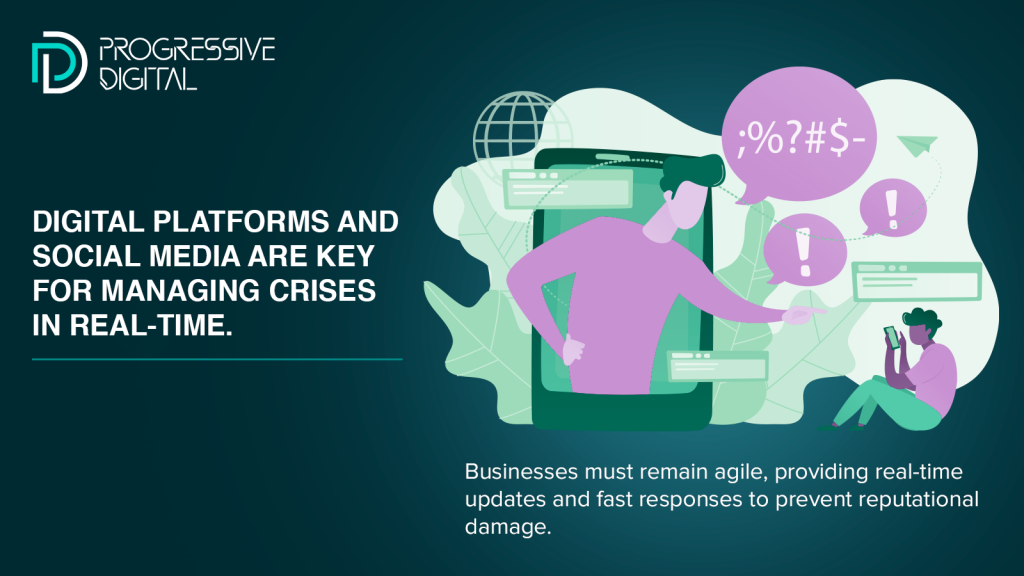
As the world becomes more connected, the speed at which crises unfold has increased. Social media platforms, 24-hour news cycles, and viral content mean that a crisis can spread rapidly, making effective communication even more critical.
In the future, businesses will need to be more agile in their crisis communication strategies. Real-time updates, rapid response protocols, and increased focus on digital platforms will play a significant role. Moreover, reputation marketing will become even more essential, as businesses must continue to build trust in an environment where consumer skepticism is on the rise.
The Bottom Line
Crisis communications and reputation marketing are not optional; they are vital tools for businesses striving to survive and thrive in an unpredictable world. A solid reputation built on transparency, ethics, and customer engagement will help businesses weather the storm during crises. Meanwhile, effective crisis communications can reduce the immediate damage and set the stage for long-term recovery. Together, these strategies enable businesses to maintain their reputation, regain trust, and emerge stronger than before.