

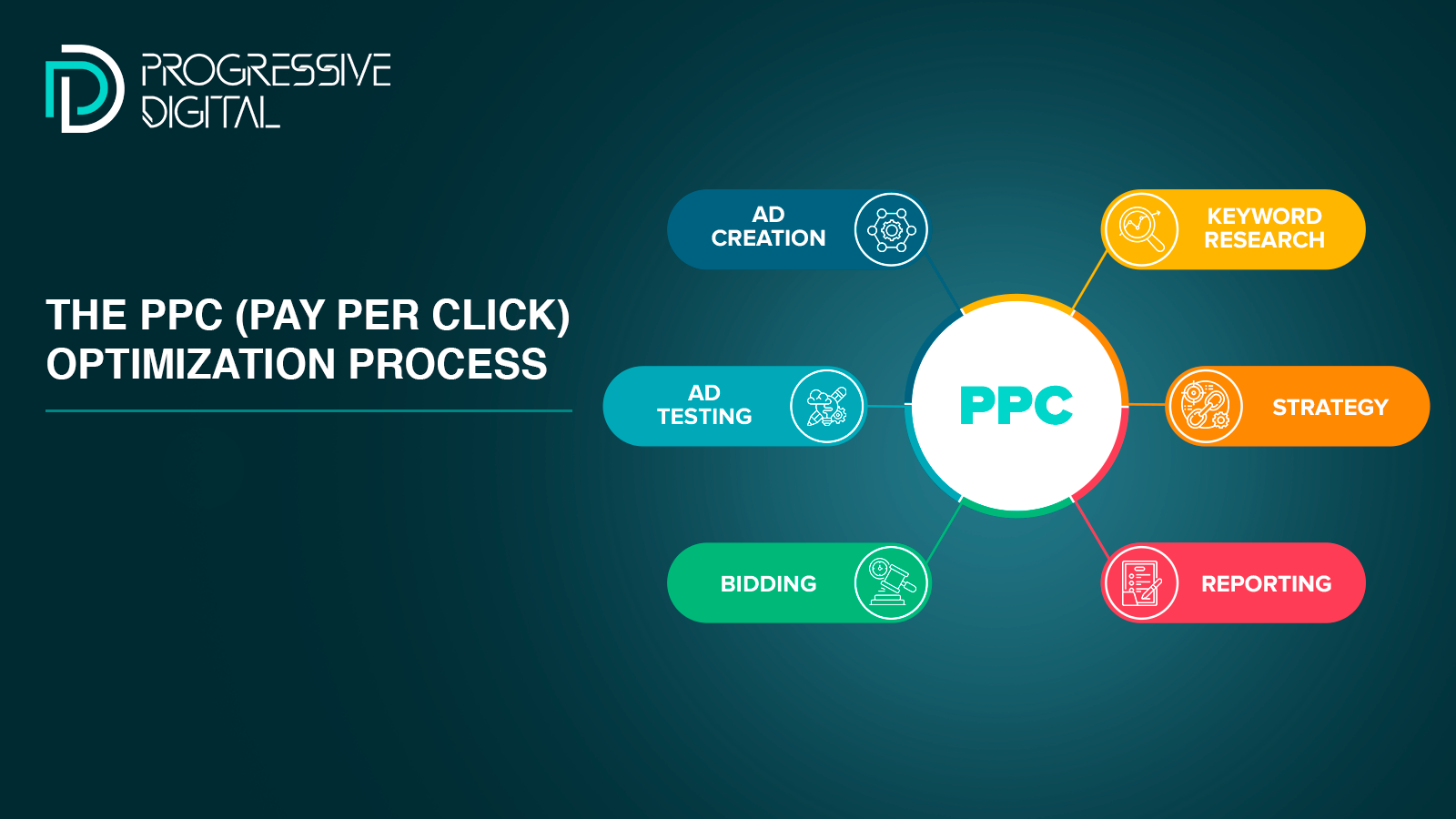
Pay Per Click (PPC) advertising offers businesses a powerful way to reach their target audience instantly. However, launching a campaign is just the start. Without ongoing optimization, your advertising budget can quickly be wasted on ineffective clicks. To get the best return on investment, PPC campaigns must be continually refined and optimized. This process involves strategic planning, data analysis, and careful adjustments designed to improve performance and lower costs.
Understanding the Importance of Keyword Research
Effective PPC campaigns start with thorough keyword research. Keywords determine who sees your ads, so selecting the right ones is critical. The goal is to target search terms that your potential customers actually use when looking for products or services like yours. Using keyword research tools such as Google Keyword Planner or SEMrush helps identify terms that balance search volume and competition.
It’s also essential to consider search intent. Are users looking to buy immediately, or just researching options? Targeting keywords that reflect buying intent can improve conversion rates. Long-tail keywords — longer, more specific phrases — may have lower search volumes but often deliver higher-quality traffic. For example, instead of bidding on “running shoes,” targeting “best trail running shoes for beginners” can attract users closer to making a purchase.
Crafting Compelling Ad Copy
Once keywords are in place, writing engaging and relevant ad copy is key. Your ads need to capture attention quickly and persuade the user to click. Effective copy highlights your unique selling proposition, clearly communicates benefits, and includes a strong call to action.
Testing multiple ad variations, or A/B testing, helps identify which messaging resonates best with your audience. Small changes like rephrasing your call to action or emphasizing a discount can significantly boost click-through rates and conversions.
Optimizing Landing Pages
After a user clicks your ad, the landing page experience heavily influences whether they convert. A seamless, relevant landing page aligned with the ad copy builds trust and encourages action. The page should load quickly, be mobile-friendly, and have clear, visible calls to action.
Consistency between ad and landing page messaging reduces bounce rates and increases conversions. Slow load times or confusing navigation can quickly cause potential customers to leave. Therefore, optimizing user experience on landing pages is critical.

Managing Bids Strategically
Bidding controls how much you pay per click and affects your ad’s visibility. Manual bid management gives precise control, while automated bidding leverages machine learning to optimize bids based on your campaign goals—whether maximizing conversions or clicks.
Bid adjustments allow targeting based on device type, location, time of day, and audience demographics. For example, if mobile users convert better, increasing bids on mobile devices can improve ROI. Effective bid management balances maximizing visibility and controlling costs.
Utilizing Negative Keywords
Adding negative keywords is a cost-saving tactic to prevent ads from showing for irrelevant searches. Regularly reviewing search term reports identifies keywords that generate clicks but low-quality traffic. Adding these as negative keywords sharpens campaign focus and reduces wasted spend.
Enhancing Ads with Extensions
Ad extensions enrich your PPC ads with extra information like site links, call buttons, or location details. These increase ad real estate on search results pages, making your ads more noticeable and clickable. Extensions also help improve quality scores and can lower costs per click.
Continuous Monitoring and Data Analysis
Optimization requires constant attention to key metrics such as click-through rate, conversion rate, cost per acquisition, and return on ad spend. Using analytics tools and PPC dashboards helps identify which keywords, ads, or landing pages underperform.
This data-driven approach allows you to make informed adjustments, improving your campaign step-by-step. Optimization is cyclical—market trends, consumer behaviors, and competitor strategies evolve, so your PPC campaigns must adapt to stay effective.
Testing and Refining
Regularly testing new ad copies, landing pages, and bidding strategies is vital. A/B testing different creatives uncovers what best drives engagement and conversions. Adjusting your campaigns based on testing results maximizes effectiveness and keeps your strategy fresh.
The Bigger Picture: Building a Self-Sustaining PPC Engine
When optimized correctly, PPC campaigns can function like a well-oiled machine. They attract high-quality traffic, convert leads efficiently, and adjust dynamically with minimal manual input. This “self-sailing” approach saves time and budget while consistently delivering business growth.
For companies aiming to outperform competitors and maximize digital marketing ROI, mastering PPC optimization is non-negotiable. By focusing on relevant keywords, persuasive ads, excellent user experience, and data-driven improvements, you create campaigns that deliver measurable and lasting success.