

In today’s fast-paced digital world, running a successful ad campaign requires more than just creativity and budget—it requires data. Data-driven ad campaigns help marketers fine-tune their strategies to reach the right audience, improve conversions, and ultimately, maximize return on investment (ROI). In this post, we’ll explore how data-driven ad campaigns can transform your marketing efforts, and we’ll dive into real-world examples to show how businesses have successfully used data to achieve outstanding results.
Let’s explore some of the best practices for maximizing ROI with data-driven ad campaigns and how businesses are leveraging data to create efficient, high-performing ads.
Why Data-Driven Campaigns Are Essential
Data-driven campaigns rely on real-time data to make informed decisions, optimize spending, and increase ad performance. Rather than guessing what might work, businesses can use analytics, customer behavior data, and performance metrics to create campaigns that resonate with their target audience.
According to a study by Forrester, companies that invest in data-driven marketing are eight times more likely to improve their ROI. Here’s why:
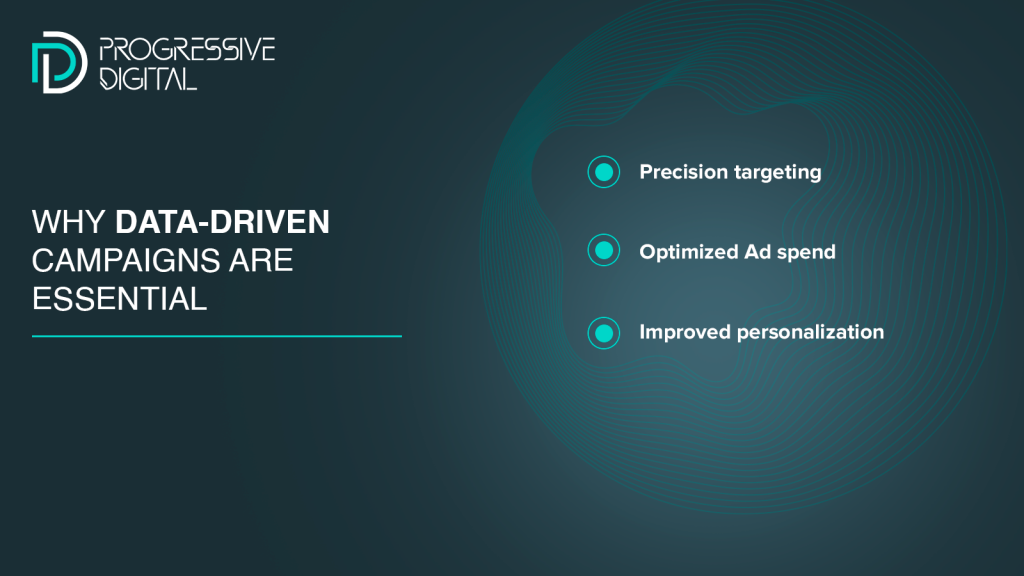
- Precision Targeting: You can refine your audience based on demographics, behaviors, and interests.
- Optimized Ad Spend: Data helps ensure your ad dollars are allocated to the best-performing channels and ads.
- Improved Personalization: Personalized messaging leads to higher engagement, click-through rates, and conversions.
Real-World Example: Retail Company Boosts Conversions with Data
A well-known retail company used customer data to create highly segmented audiences based on purchasing behavior. They noticed that users who abandoned their carts during the checkout process were an untapped audience. By retargeting these users with personalized ads that featured the items left in their cart, they saw a 20% increase in conversions. Additionally, they tracked the times when customers were most likely to make a purchase and adjusted their ad delivery times accordingly, boosting ROI even further.
Key Benefits of Data-Driven Ad Campaigns
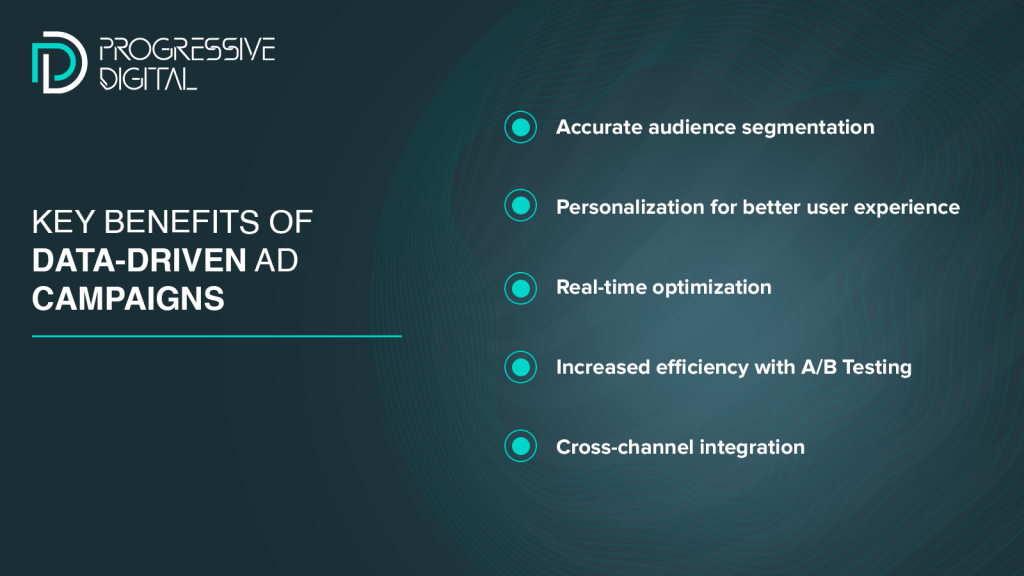
1. Accurate Audience Segmentation
One of the biggest advantages of data-driven ad campaigns is accurate audience segmentation. With access to detailed customer data, you can break down your audience into smaller, more targeted groups based on behaviors, demographics, or even specific interests. This level of precision allows businesses to target only the most relevant users, which maximizes ROI by reducing wasted ad spend.
For example, Travel Industry Uses Segmentation for Higher Engagement
A popular travel company utilized data to segment their audience based on previous bookings, preferred destinations, and travel frequency. They created custom ads for frequent travelers, offering them exclusive deals on premium packages. For occasional travelers, they presented more budget-friendly options. By delivering tailored content to each segment, they increased click-through rates by 35% and saw a 50% boost in repeat bookings from their high-frequency travelers.
2. Personalization for Better User Experience
Personalization is the cornerstone of modern marketing, and data makes it possible to create personalized ad experiences that resonate with individual users. A data-driven campaign enables businesses to customize their ads based on factors like past purchases, browsing history, and even location.
Example: E-commerce Company Sees Success with Personalized Ads
An e-commerce platform selling home goods used purchase history data to personalize ads for returning customers. For example, if a customer had purchased a bed frame, they would receive ads for complementary items like mattresses, bedding, or pillows. The personalized approach led to a 60% increase in repeat purchases and a 25% increase in average order value.
3. Real-Time Optimization
Data-driven campaigns provide real-time insights into how ads are performing, which allows marketers to make on-the-fly adjustments. This dynamic optimization ensures that you’re always getting the most out of your ad spend by quickly shifting budgets to high-performing ads and channels, or testing new creative elements.
For instance: Real-Time Adjustments for Seasonal Marketing
A fashion retailer running a holiday promotion monitored their ad performance in real-time. As they noticed one particular ad creative resonating more with their target demographic, they increased the budget for that ad while reducing spend on underperforming creatives. Additionally, they used data to adjust their audience segmentation, focusing on shoppers who had made holiday purchases in previous years. These real-time changes resulted in a 40% increase in conversions during their peak sales season.
4. Increased Efficiency with A/B Testing
A/B testing, also known as split testing, allows businesses to test multiple versions of an ad to see which performs better. With a data-driven approach, you can easily test headlines, imagery, call-to-action buttons, and more to determine which elements lead to higher engagement and conversions.
Example: SaaS Company Uses A/B Testing to Improve Lead Generation
A SaaS company offering business software solutions decided to run an A/B test for their lead generation campaign. They created two versions of their ad: one with a straightforward “Sign Up Now” CTA and another with “Get Your Free Trial Today.” After testing both versions, they found that the free trial offer generated 30% more clicks and increased lead conversions by 15%. The ability to test and iterate quickly allowed them to significantly improve the effectiveness of their campaign.
5. Cross-Channel Integration
Consumers interact with brands across a variety of channels—search engines, social media, websites, and more. A data-driven ad strategy allows you to track user interactions across these platforms, creating a seamless, consistent brand experience for your customers.
A great example: Omnichannel Marketing in Retail
A large retail chain integrated data from their website, email marketing, and social media platforms to create a cohesive ad campaign. They used data to track how users interacted with ads on each platform, then served relevant follow-up ads based on previous engagements. For example, a user who clicked on a Facebook ad but didn’t make a purchase received a targeted email with a discount code, followed by a Google retargeting ad highlighting the same product. This cross-channel strategy increased their conversion rate by 25% and boosted customer retention by 15%.
Best Practices for Implementing Data-Driven Ad Campaigns
To fully capitalize on the benefits of data-driven ad campaigns, it’s essential to follow best practices. Here are some key tips to help you maximize your ROI:
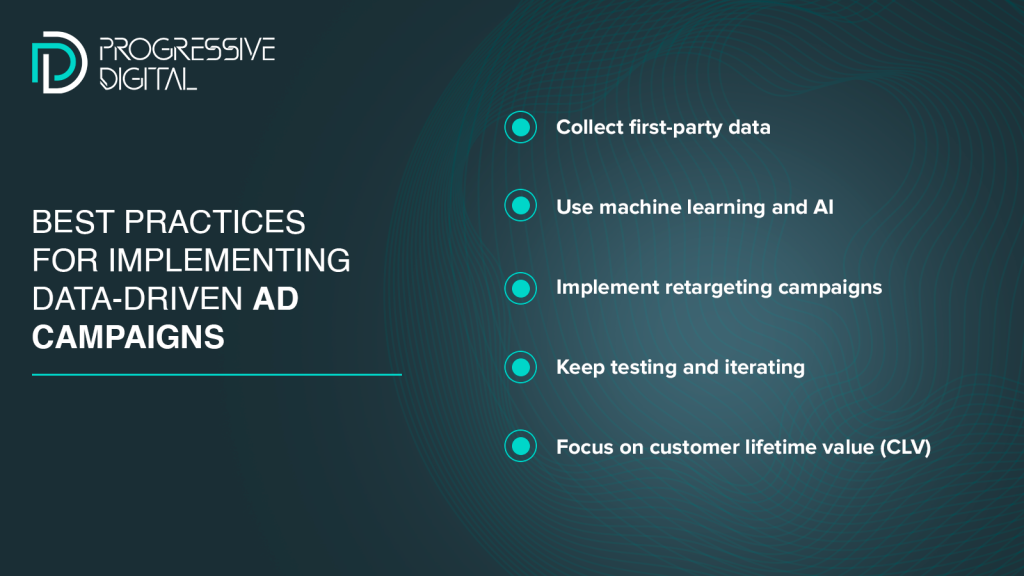
1. Collect First-Party Data
First-party data—information you gather directly from your customers—is invaluable. This can include data from website interactions, email sign-ups, purchases, and customer feedback. First-party data is highly reliable and provides insights into your audience’s preferences, behaviors, and interests.
2. Use Machine Learning and AI
Machine learning and artificial intelligence are transforming the way businesses use data in advertising. These technologies can process large volumes of data and detect patterns thathuman marketers may miss. AI-driven algorithms can automate optimization processes, ensuring that your ads are always performing at their best.
3. Implement Retargeting Campaigns
Retargeting is an effective way to re-engage users who have already shown interest in your brand. Whether they visited your website but didn’t complete a purchase or interacted with one of your ads without converting, retargeting ensures that your brand stays top-of-mind. Data-driven retargeting ads can offer personalized incentives, such as discounts or exclusive deals, to encourage users to return and complete their purchase.
4. Keep Testing and Iterating
Even the most successful ad campaigns can be improved. Continuous testing and iteration are crucial to staying ahead of the competition and ensuring that your campaigns remain relevant and engaging. Use the data from A/B tests to refine your messaging, targeting, and creatives over time.
5. Focus on Customer Lifetime Value (CLV)
When running data-driven campaigns, it’s important to think beyond just acquiring new customers. Focusing on Customer Lifetime Value (CLV) allows you to prioritize high-value customers who are likely to make repeat purchases over time. Tailor your campaigns to foster long-term relationships with your most loyal customers, which will boost overall ROI in the long run.
Data-driven ad campaigns are no longer a luxury—they’re a necessity in today’s digital marketing environment. By leveraging data for precise audience targeting, personalization, real-time optimization, and A/B testing, businesses can dramatically improve the performance of their advertising efforts and maximize their ROI.
Whether you’re a retail brand, a SaaS company, or in the travel industry, the use of data in your ad strategy allows you to connect with customers more effectively, increase conversions, and optimize spending.