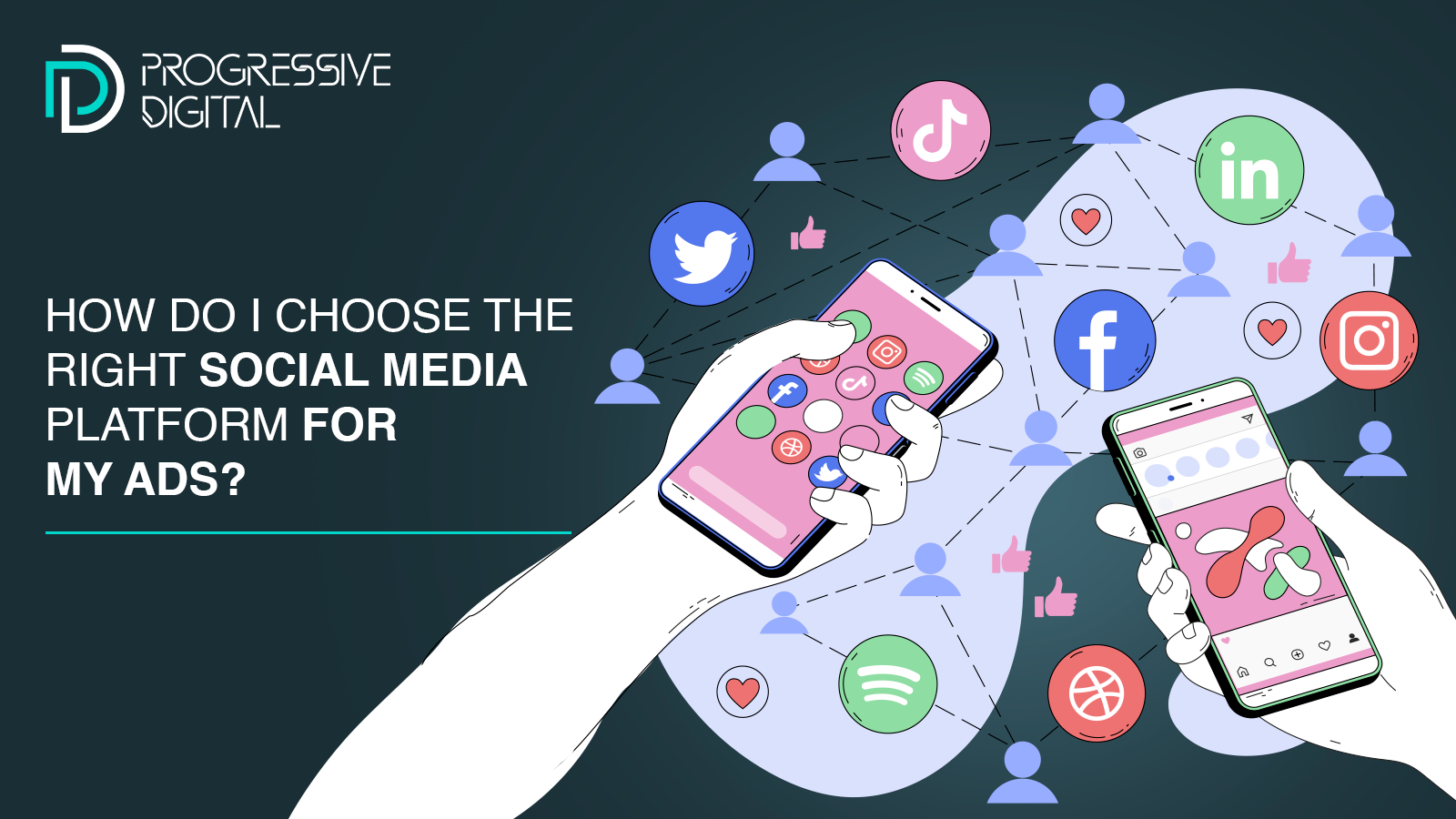
With so many social media platforms available today, choosing the right one for your advertising campaign can feel overwhelming. Each platform has its unique audience, features, and advertising options, which means selecting the right one is crucial for maximizing your ROI and reaching your target audience effectively. In this post, we’ll guide you through the process of determining the best social media platform for your ads, helping you optimize your marketing strategy.
1. Define Your Target Audience
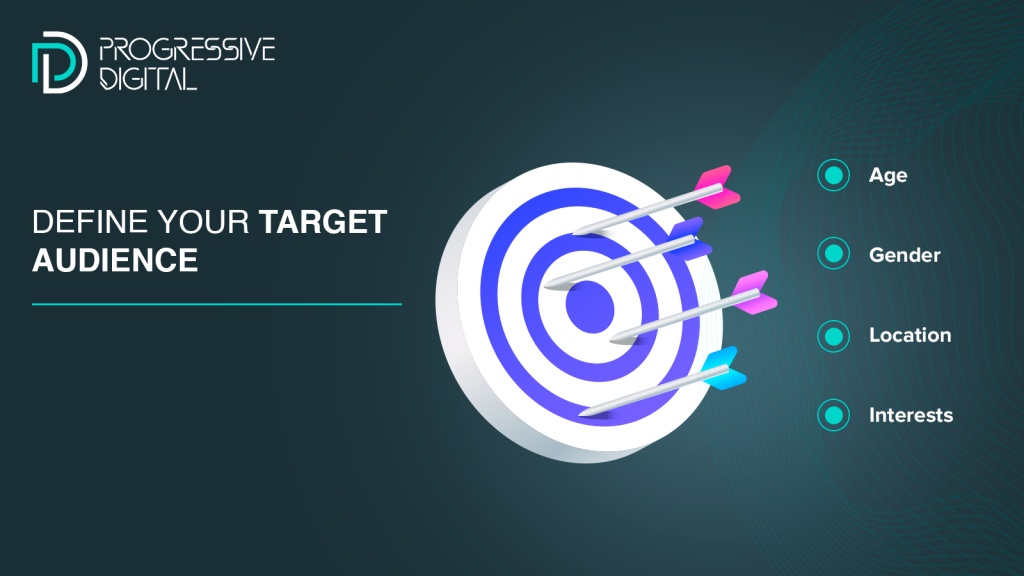
The first step in selecting the right social media platform for your ads is understanding your target audience. Different platforms attract different demographics, and your ads will perform best if they are tailored to the habits and preferences of your ideal customers. Consider factors like:
- Age: Are you targeting younger users (18-24), middle-aged adults, or an older demographic?
- Gender: Are your products more popular with men, women, or a specific gender?
- Location: Are you focusing on local, national, or international markets?
- Interests: What hobbies, brands, or content does your audience engage with online?
Platform Demographics Overview:
- Facebook: With over 2.8 billion users, Facebook’s audience spans a wide age range, from 18 to 65+, making it suitable for most brands. It is especially strong in reaching adults aged 25-34.
- Instagram: Instagram has a younger audience, with the majority of users aged 18-34. It’s perfect for brands focused on visual content, fashion, fitness, beauty, and lifestyle.
- Twitter: Twitter is popular among users aged 18-49, especially those interested in news, politics, and real-time events.
- LinkedIn: This platform is ideal for B2B marketing and reaching professionals. LinkedIn’s audience is typically aged 30-49, with a focus on career development, networking, and industry expertise.
- TikTok: TikTok is the go-to platform for Gen Z, with the majority of users aged 16-24. It’s perfect for brands targeting younger audiences with short, creative, and entertaining video content.
- Pinterest: Pinterest is highly visual and attracts a predominantly female audience, aged 18-49. It’s popular for topics like home décor, fashion, DIY, and wellness.
2. Align Your Content with the Platform’s Strengths
Each social media platform excels in different types of content. The key to success is aligning your advertising content with the platform’s strengths to engage users effectively.
- Facebook: Ideal for various types of content, including text, images, and video. Facebook also offers excellent targeting options and is great for ads with detailed copy and multiple calls-to-action.
- Instagram: Since Instagram is a visually driven platform, it’s perfect for ads that feature high-quality images and videos. It’s particularly effective for fashion, beauty, travel, and food brands. Instagram Stories and Reels are popular formats for reaching users quickly with dynamic, engaging content.
- Twitter: If your brand needs to participate in real-time conversations or capitalize on trending topics, Twitter is the right platform. It’s great for short, witty text ads, promoted tweets, and targeting users based on hashtags.
- LinkedIn: LinkedIn is best for B2B marketing, lead generation, and thought leadership. Ads that feature professional insights, industry news, or promote whitepapers, webinars, and other business resources tend to perform well here.
- TikTok: TikTok is all about short-form video content. If your brand can create engaging, fun, or even viral videos, TikTok can deliver huge engagement. Challenges, user-generated content, and influencer collaborations are effective strategies.
- Pinterest: For brands with a strong focus on products, visuals, and DIY ideas, Pinterest offers an opportunity to display highly visual ads that integrate seamlessly into users’ feeds. Pin ads that offer tutorials, style guides, or décor inspiration work well.
3. Consider Your Budget
Another key factor in choosing the right platform for your ads is your budget. Some platforms require higher budgets for ad placements, while others can offer excellent ROI with smaller ad spends.
- Facebook and Instagram: These platforms offer a wide range of ad formats and budget options, from daily budgets of a few dollars to large-scale campaigns. You can start small and scale as you see results.
- LinkedIn: Generally, LinkedIn ads are more expensive than Facebook or Instagram ads because you’re targeting a professional audience, but they can be highly effective for B2B lead generation and recruiting.
- Twitter: Twitter ads can be more affordable for smaller businesses, and the platform’s advertising tools allow for relatively low-budget campaigns with good targeting capabilities.
- TikTok: While TikTok ads can be more expensive due to the platform’s viral nature, there are options to run budget-friendly ads, particularly if you use influencers or user-generated content to enhance organic reach.
- Pinterest: Pinterest offers budget-friendly options, but its cost per click (CPC) tends to be lower than other platforms, making it ideal for brands looking to drive product discovery and purchases at a reasonable cost.
4. Evaluate Your Campaign Goals

Different platforms work better for specific campaign objectives. Your goals will help determine which platform aligns best with your desired outcomes.
• Brand Awareness: If you want to increase visibility, platforms like Facebook, Instagram, and TikTok are excellent for reaching a large audience with eye-catching visuals and viral content.
• Lead Generation: For B2B lead generation, LinkedIn is the top platform. Facebook and Instagram also offer excellent lead generation tools with highly customizable forms and targeting.
• Direct Sales: If your primary goal is to drive eCommerce sales, Instagram and Pinterest are highly effective, especially if your brand relies on visuals and has a strong product catalog. Instagram Shopping and Pinterest Buyable Pins make it easy for users to make purchaes directly from the app.
• Engagement and Community Building: Platforms like Twitter and Facebook are ideal for building an engaged community and starting conversations around your brand. Twitter’s real-time nature also makes it great for customer service interactions.
5. Test and Optimize Across Platforms
If you’re still unsure which platform is the best for your ads, consider running small test campaigns across different platforms. This allows you to see which platform generates the most engagement, leads, or conversions. Use A/B testing to try out different ad formats, creatives, and targeting options, then focus your budget on the platform that delivers the best results.
Choose the Right Social Media Platform for Your Ads
Choosing the right social media platform for your ads doesn’t have to be complicated. Start by understanding your target audience and the platform’s demographics, and then align your content with the platform’s strengths. Consider your budget, goals, and ad types to make an informed decision. Finally, don’t be afraid to test and optimize across multiple platforms to find the best combination for your brand.
By using this structured approach, you’ll maximize your ad spend and ensure that your social media ads are reaching the right people on the right platform, driving better results for your business.