

In the world of digital marketing, two common terms often get thrown around: SEO (Search Engine Optimization) and SEM (Search Engine Marketing). While they both aim to improve a website’s visibility in search engine results, they operate in distinct ways. Understanding the difference between SEO and SEM is crucial for any business that wants to optimize its online presence and drive more traffic to its website.
In this post, we’ll break down the differences between SEO and SEM, explore how each strategy works, and help you decide which approach—or combination of approaches—is right for your business.
What is SEO?
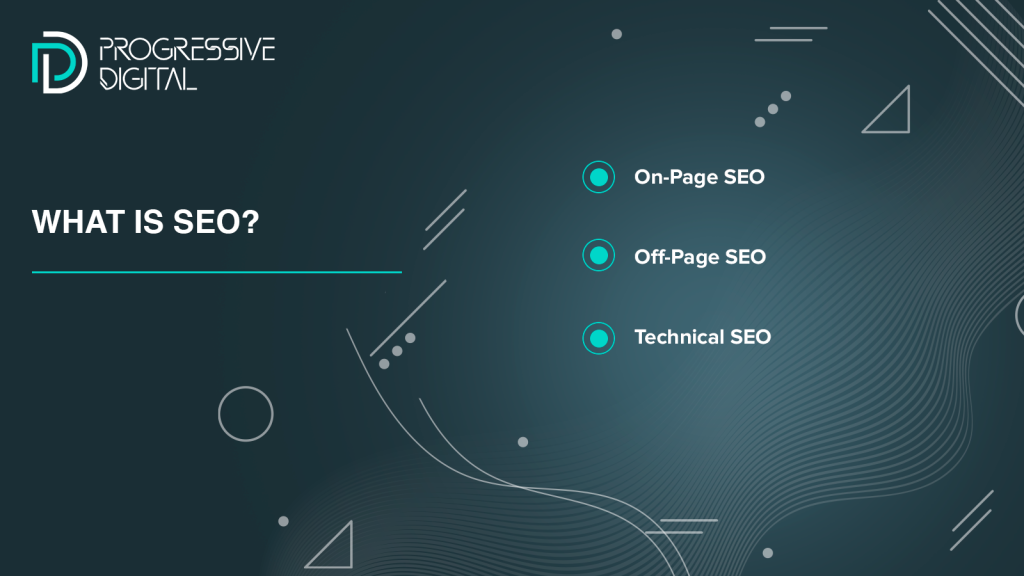
Search Engine Optimization (SEO) is the practice of optimizing your website so that it ranks higher in organic (non-paid) search engine results. The goal of SEO is to attract more visitors to your website by improving its visibility when users search for relevant keywords on platforms like Google, Bing, or Yahoo.
Key Components of SEO:
- On-Page SEO: This includes optimizing elements on your website such as content, titles, meta descriptions, headers, images, and internal links. Keyword research and content creation play a major role here, as you want to target specific keywords that your audience is searching for.
- Off-Page SEO: Off-page SEO focuses on activities that happen outside of your website but affect your search rankings, such as building backlinks from authoritative websites, social media marketing, and influencer outreach.
- Technical SEO: This aspect of SEO involves optimizing the backend of your website, such as improving site speed, ensuring mobile-friendliness, fixing broken links, and using proper HTML tags. Technical SEO ensures that search engine crawlers can easily access, understand, and index your website.
Benefits of SEO:
- Long-term Results: SEO takes time to show results, but once you achieve higher rankings, it provides ongoing organic traffic without additional advertising costs.
- Cost-Effective: While SEO requires time and effort, it doesn’t involve the direct costs associated with paid advertising, making it a more sustainable option for long-term success.
- Credibility and Trust: Websites that appear organically in top search results are often viewed as more credible and trustworthy by users.
Example of SEO in Action:
Imagine you own a bakery and you want your business to show up when people search for “best bakery in New York.” By creating high-quality blog content, optimizing your product pages with relevant keywords, and building backlinks from local food bloggers, you can improve your search rankings over time. When your bakery starts appearing at the top of the organic search results, you’ll drive more traffic without having to pay for every click.
What is SEM?
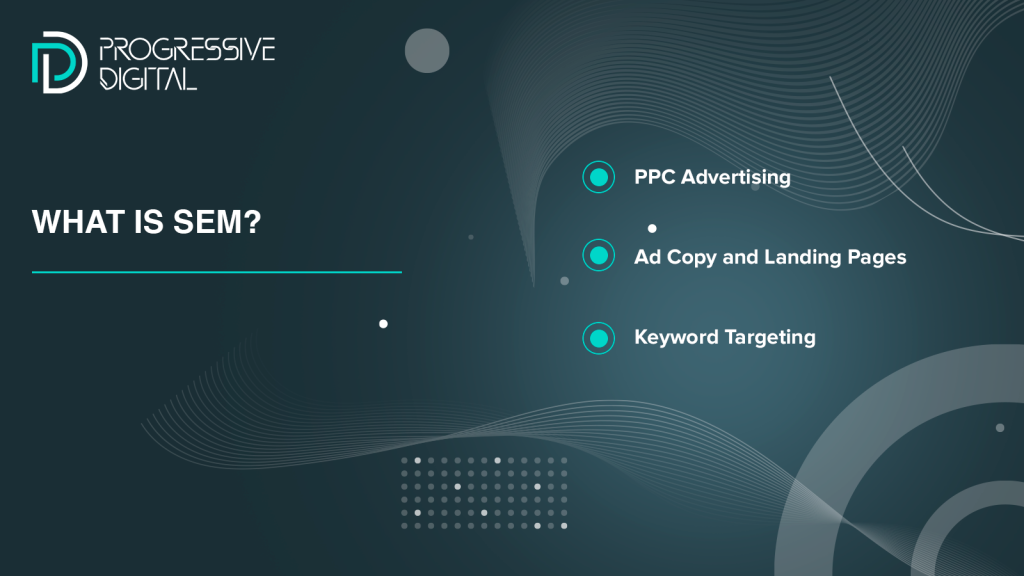
Search Engine Marketing (SEM) refers to paid strategies used to increase a website’s visibility on search engines. The most common form of SEM is Pay-Per-Click (PPC) advertising, where businesses pay for their ads to appear at the top of search engine results pages (SERPs) for specific keywords.
Key Components of SEM:
- PPC Advertising: With PPC, you bid on keywords that you want your ads to appear for in search results. You only pay when a user clicks on your ad. Google Ads and Bing Ads are the most popular platforms for PPC campaigns.
- Ad Copy and Landing Pages: SEM campaigns require well-crafted ad copy and optimized landing pages. These ensure that users who click on your ads are directed to relevant, high-converting pages.
- Keyword Targeting: Like SEO, SEM involves keyword research, but instead of trying to rank organically, you bid on those keywords to ensure your ad appears when someone searches for them.
Benefits of SEM:
- Immediate Results: Unlike SEO, which takes time to build up, SEM delivers instant visibility. As soon as your campaign is live, your ads can start appearing at the top of search results.
- Highly Targeted: SEM allows you to target specific audiences based on factors like location, Flexible Budgeting: You can set daily, weekly, or monthly budgets for your SEM campaigns, allowing you to control costs and scale your campaigns as needed.
Example of SEM in Action:
Let’s say you own an e-commerce store that sells hiking gear. You could create a Google Ads campaign targeting keywords like “buy hiking boots” or “best hiking backpacks.” When users search for those keywords, your ad would appear at the top of the results page. Every time someone clicks on your ad and visits your website, you pay for that click. This strategy works well for driving immediate traffic to your product pages and generating sales quickly.
SEO vs. SEM: Key Differences
1. Cost
SEO: SEO is essentially free in terms of clicks or traffic, but it requires time, effort, and possibly investment in tools or experts to achieve top rankings.
SEM: SEM involves direct costs since you pay for every click on your ads. However, the benefit is that you can control your budget and scale up or down based on your advertising goals.
2. Time to Results
SEO: SEO is a long-term strategy. It can take months to start seeing significant results, but once your website ranks highly, it can generate consistent traffic.
SEM: SEM provides immediate results. As soon as you launch your campaign, your ads can appear in search results and start driving traffic.
3. Longevity
SEO: The effects of SEO are long-lasting. Once you achieve a high ranking, you can continue to benefit from organic traffic without ongoing ad spend.
SEM: SEM campaigns provide short-term results. As soon as you stop paying for ads, your traffic will stop coming in from those campaigns.
4. Click-Through Rate (CTR) and Credibility
SEO: Users tend to trust organic search results more than paid ads, so SEO often has a higher click-through rate for users who are looking for reliable information.
SEM: While SEM can deliver fast traffic, some users may skip paid ads and go straight to the organic results.
5. Strategy and Focus
SEO: SEO focuses on optimizing your website and building content that can rank organically for relevant search terms.
SEM: SEM focuses on creating and managing paid ad campaigns, targeting keywords with bidding strategies, and optimizing for conversions.
Which One Is Right for You: SEO or SEM?
Deciding between SEO and SEM depends on your business goals, budget, and timeline.
Use SEO if:
- You are looking for a long-term solution to build sustainable traffic.
- You want to establish credibility and trust with your audience.
- You have the time and resources to invest in optimizing your website and creating valuable content.
Use SEM if:
- You need immediate results and want to drive traffic quickly.
- You are promoting a time-sensitive offer, event, or product launch.
- You have a budget dedicated to advertising and want to see a quick return on investment (ROI).
In many cases, a combination of both SEO and SEM is the best approach. You can use SEM to generate immediate traffic while building up your SEO strategy for long-term growth. By integrating both strategies, you can maximize your search engine visibility and drive consistent traffic over time.
Understanding the difference between SEO and SEM is critical to developing a successful digital marketing strategy. While SEO focuses on optimizing your website to rank higher organically, SEM allows you to bid for paid positions at the top of search engine results. Each approach has its strengths, and depending on your business goals, using both SEO and SEM in tandem can help you achieve optimal results. By investing in the right strategy, you can boost your online presence, attract more visitors, and grow your business.